Board & set sail
- Arrival at Port Trincomalee; boarding 15:00–15:50.
- The yacht departs by 16:00.
- Check dive / snorkel opportunity on board (night dive optional).
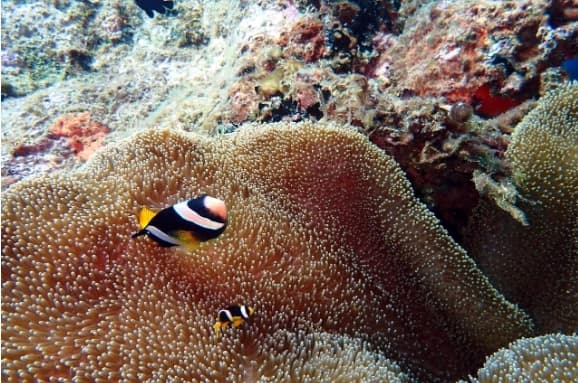
Rocky reefs, temple relics and a marine sanctuary — six days around Trincomalee and Nilaveli, in the calmest water on the island.
Trincomalee sits on one of the world's finest natural harbours, and the diving reflects it — sheltered rocky reefs beneath the Koneswaram temple, shallow gardens along the bay, and the reef flats of Nilaveli and Pigeon Island a short boat ride north. Moray eels of every kind, rays, turtles and schooling fish are the regulars; on Swami Rock, temple statues thrown into the sea by the Dutch in the 17th century still lie on the bottom.
Trace the route — tap any marker to open its log.
Northeast Coast of Ceylon
Reef Chart · Chart N°07
Port and dive-site positions are approximate — not for navigation. Coastline © OpenStreetMap contributors.
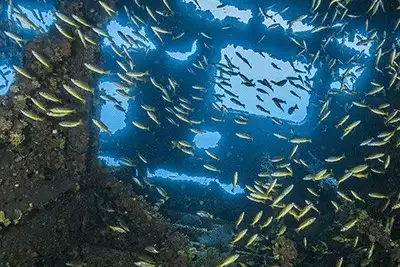
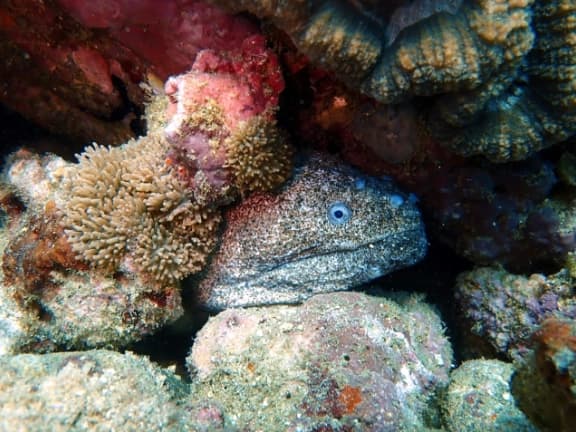
Just south of the Koneswaram temple, a rocky reef with an abundance of fish life hidden within — sulphur-head and honeycomb moray eels, nudibranchs, scorpionfish and stonefish tucked into the underwater ridges.
Divers may come across schools of triggerfish lying in wait to ambush anyone who strays too close; they are fiercely territorial.
Photography: Samith (Sam) Fernando
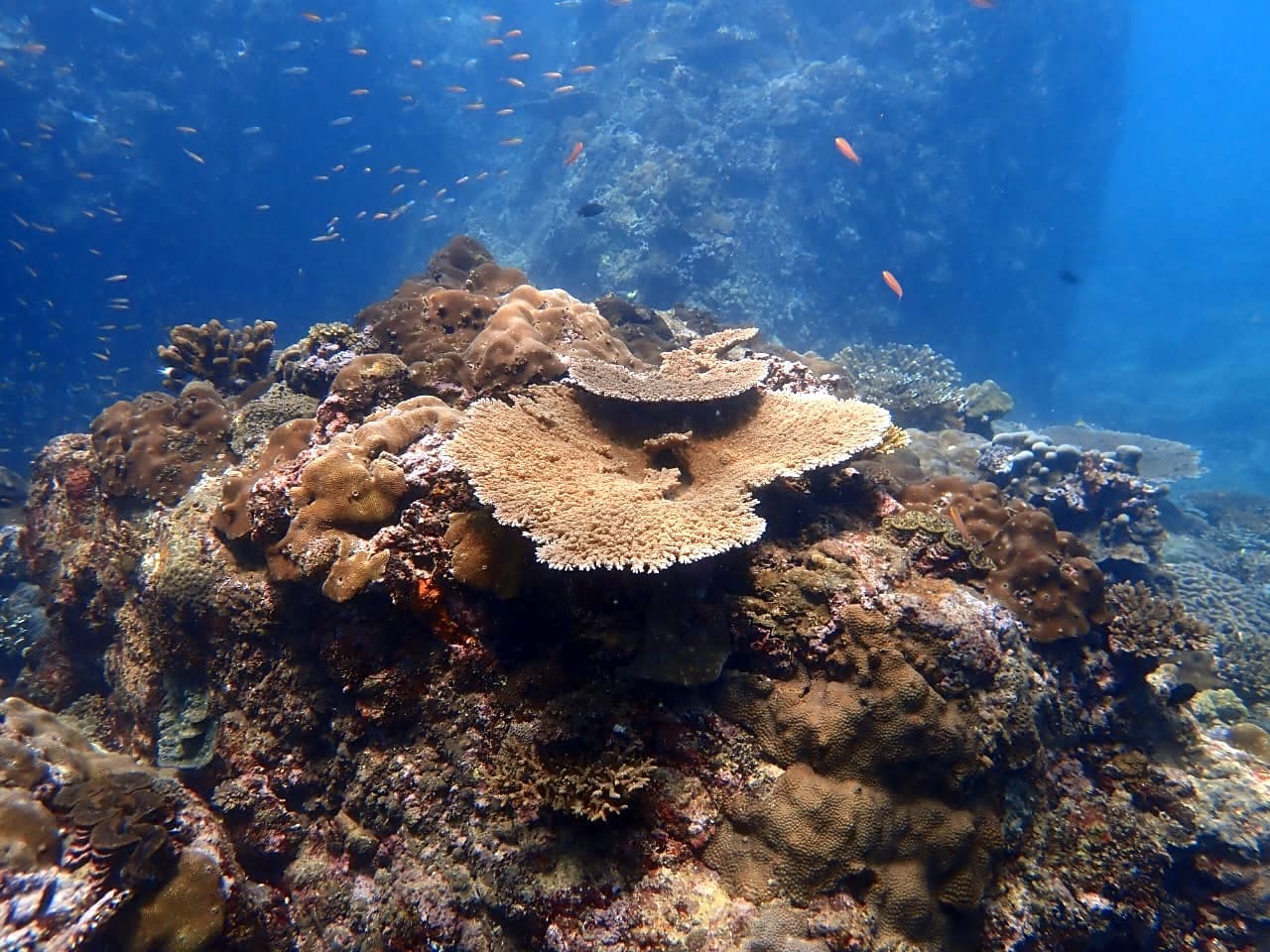
Along the bay behind Trincomalee hospital, this site offers an amazing reef that stretches over a wide area, starting right from the beach. The shallow reef suits all levels, and the experienced can explore small swim-throughs across its varied topography.
Look out for moray eels of many species hidden all about: sulphur-head, white-eyed, giant and honeycomb morays.
Photography: Samith (Sam) Fernando
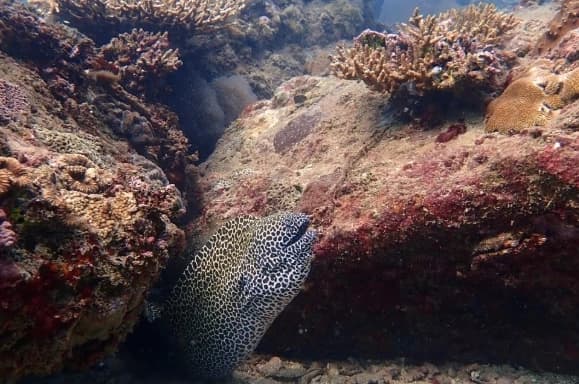
Swami Rock is home to varied marine life, including large rays and schooling fish, as well as statues from the temple destroyed by the Dutch in the 17th century.
The area has a number of dive sites where underwater masonry and other features can also be found.
Photography: Samith (Sam) Fernando
Turtles, stingrays, triggerfish, lionfish, stonefish, cuttlefish and beautiful soft corals spread throughout. At a maximum depth of 18 m, the site is within a 10-minute boat ride.
Photography: Samith (Sam) Fernando
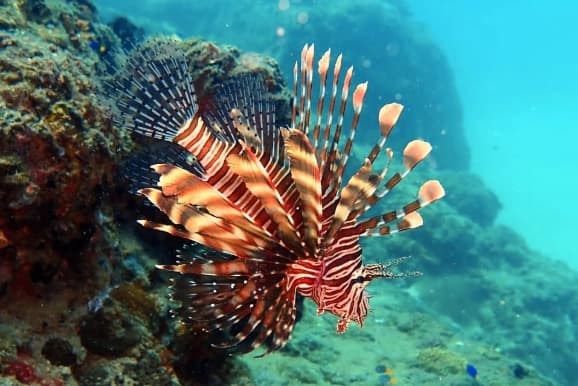
Though this site holds a smaller selection of coral, barracuda, pufferfish, stingrays, triggerfish, lionfish and stonefish are among the regulars.
Just under a 20-minute boat ride and a maximum depth of 13 m make this an ideal site for the new diver.
Photography: Samith (Sam) Fernando
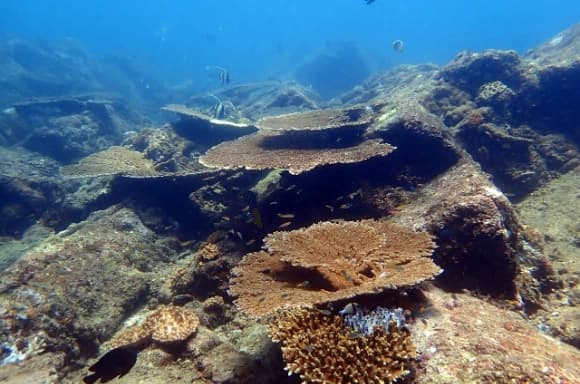
Blacktip reef sharks, turtles, moray eels, and soft and hard corals. The depth surrounding the island varies from 2 m to 11 m.
Note: a park entrance fee is required before setting foot on the island.
Photography: Yohan Abeyesekera
Experience required
